The Planet's Fury: The 10 Deadliest Natural Disasters in History
This article is prompted by the unprecedented natural and humanitarian tragedy unfolding over the past few days in Venezuela. On 24 June 2026, the country was rocked by a rare and devastating earthquake doublet — two quakes of magnitude 7.2 and 7.5, striking just 39 seconds apart.
The shaking flattened hundreds of structures across the north-central region, with Caracas and La Guaira at the epicentre of the destruction. The official toll so far speaks of more than 1,450 dead and 3,100 injured, while the United Nations fears tens of thousands may still be missing under the rubble. It is the worst natural disaster in Venezuela's modern history — a brutal reminder of the unrelenting power of the forces of nature.
Our planet's story is inseparable from events like these. Before modern early-warning systems and resilient infrastructure, a sudden geological or meteorological event could erase entire cities from the map in a matter of hours.
So let's count down, through a sobering reverse ranking, the 10 deadliest natural disasters humanity has ever endured (pandemics and famines excluded) — from number 10 to the absolute tragedy at number 1.
The countdown of the greatest disasters
10. The Indian Ocean Earthquake & Tsunami (2004)
Lives lost: ~230,000
The phenomenon: undersea earthquake & tsunami
On the morning of Boxing Day 2004, a magnitude 9.1–9.3 earthquake ruptured the seabed off Sumatra. The colossal tsunami it spawned raced across the ocean at the speed of a jet airliner, striking the coastlines of 14 countries and catching hundreds of thousands of people utterly unaware of the danger bearing down on them.
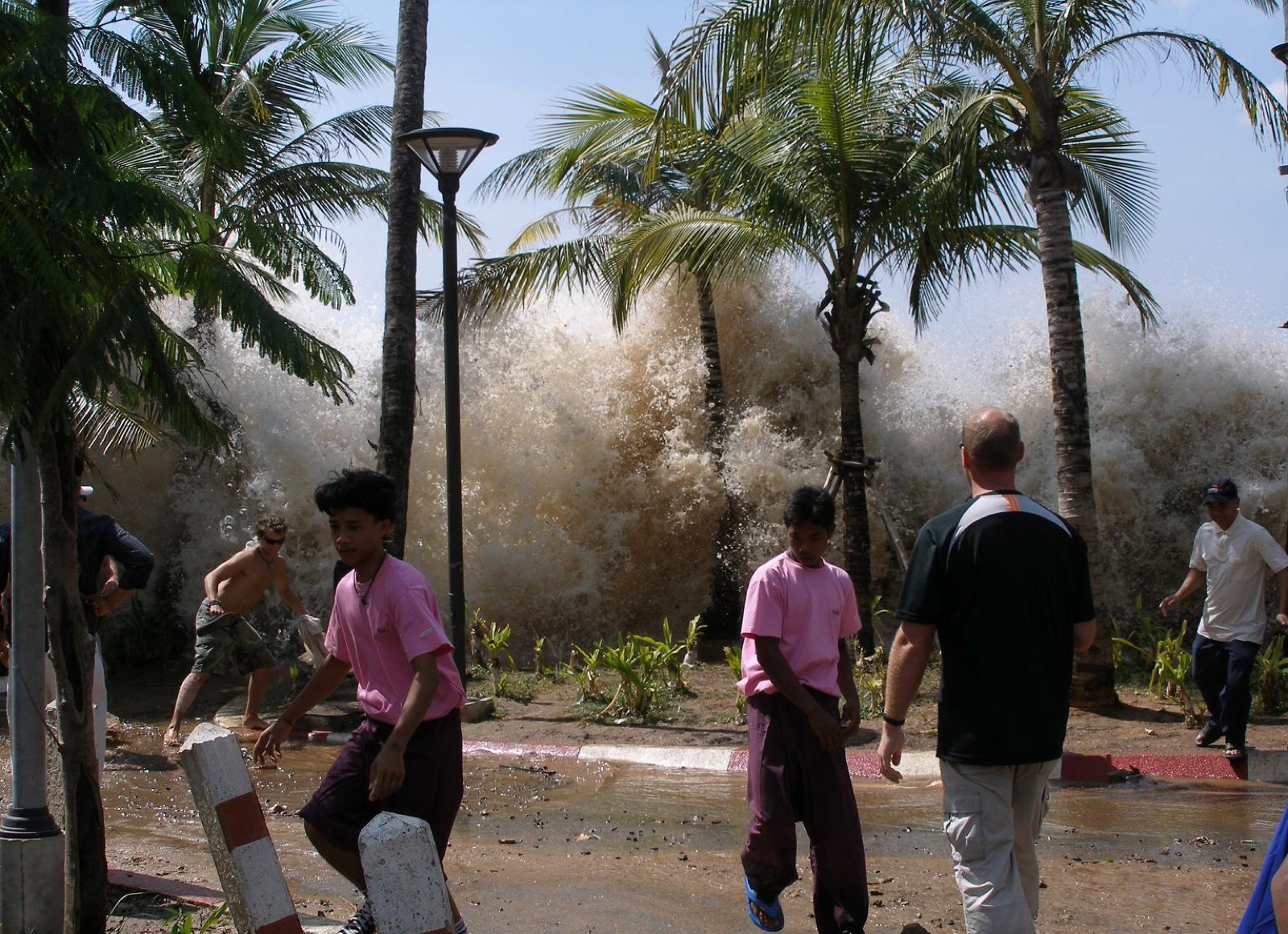

The 2004 Indian Ocean tsunami rolling ashore at Ao Nang, Thailand.
9. The Tangshan Earthquake, China (1976)
Lives lost: 242,000 – 655,000
The phenomenon: earthquake
At 03:42 in the morning, while the industrial city of Tangshan slept unsuspecting, the earth heaved with a magnitude of 7.5. In just 15 seconds, 85% of the city's buildings collapsed. Official Chinese figures recorded 242,000 victims, but independent estimates push the number above 600,000.
8. The Antioch Earthquake (526 AD)
Lives lost: 250,000 – 300,000
The phenomenon: earthquake and fire
Antioch, one of the great cities of the Byzantine Empire, was crowded with thousands of pilgrims who had flocked in for the feast of the Ascension. When the quake struck, buildings collapsed instantly, and an uncontrollable firestorm that burned for days trapped the survivors in the ruins.
7. The Calcutta Cyclone, India (1737)
Lives lost: disputed — long cited as ~300,000
The phenomenon: tropical cyclone
For centuries, historians believed the 1737 catastrophe was caused by an earthquake. Today we know it was a giant cyclone that struck the Ganges Delta, and its storm surge drove biblical flooding that swept away mud-built homes and dozens of ships.
A note on the numbers: the famous "300,000 dead" figure for this event is now widely regarded by historians as a myth — likely conflating the cyclone with a separate, smaller earthquake and badly exaggerating the toll. Modern reassessments put the real death toll far lower, perhaps in the low thousands. It earns its place here for its legendary status, but treat the headline number with caution.
6. The Coringa Cyclone, India (1839)
Lives lost: ~300,000
The phenomenon: tropical cyclone
The fate of the port city of Coringa was sealed in November 1839. A ferocious cyclone raised a 12-metre wall of water that surged ashore with unbelievable force, destroying some 20,000 ships and drowning most of the population. The city was never fully rebuilt.
5. The Haiti Earthquake (2010)
Lives lost: 160,000 – 316,000
The phenomenon: earthquake
This tragedy proved, in the cruellest way, that poor infrastructure makes natural disasters far more deadly. A magnitude 7.0 quake levelled the capital, Port-au-Prince. The total absence of seismic building standards led to an unfathomable death toll and left millions homeless.
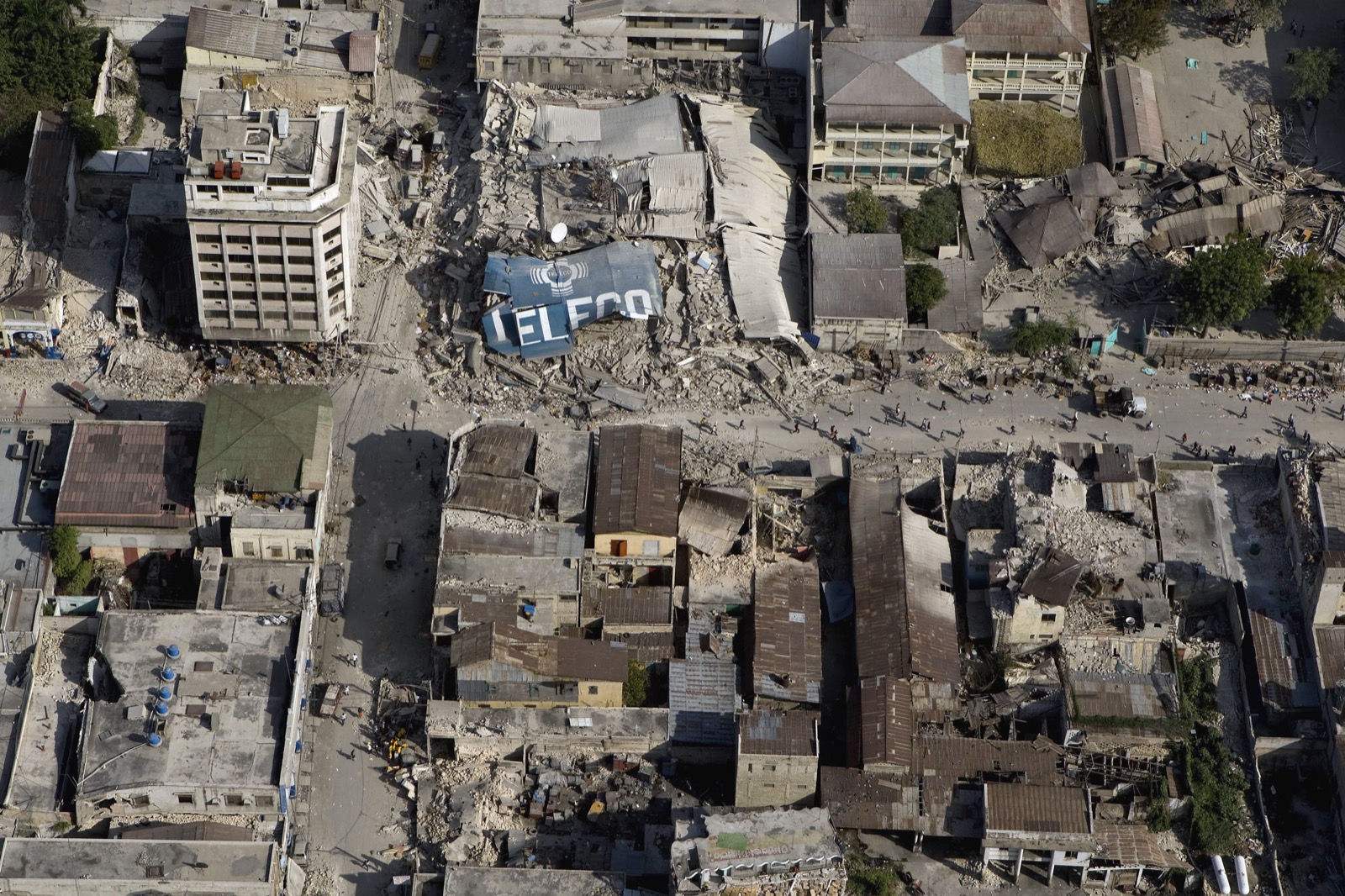

Collapsed buildings in Port-au-Prince after the 2010 Haiti earthquake.
4. Cyclone Bhola, Bangladesh (1970)
Lives lost: 300,000 – 500,000
The phenomenon: tropical cyclone
Cyclone Bhola remains the deadliest tropical cyclone in recorded history. It struck what was then East Pakistan, drowning the low-lying islands of the Ganges Delta. The political chaos and public fury over the government's sluggish relief effort ultimately helped ignite the movement that gave birth to the independent state of Bangladesh.
3. The Shaanxi Earthquake, China (1556)
Lives lost: ~830,000
The phenomenon: earthquake
This is the deadliest earthquake in human history. Although its magnitude is estimated at around 8, the cause of the carnage was largely how people lived. Much of the population dwelt in yaodong — cave homes carved into hills of soft loess soil. When the ground began to shake, the hillsides collapsed, burying entire communities alive.
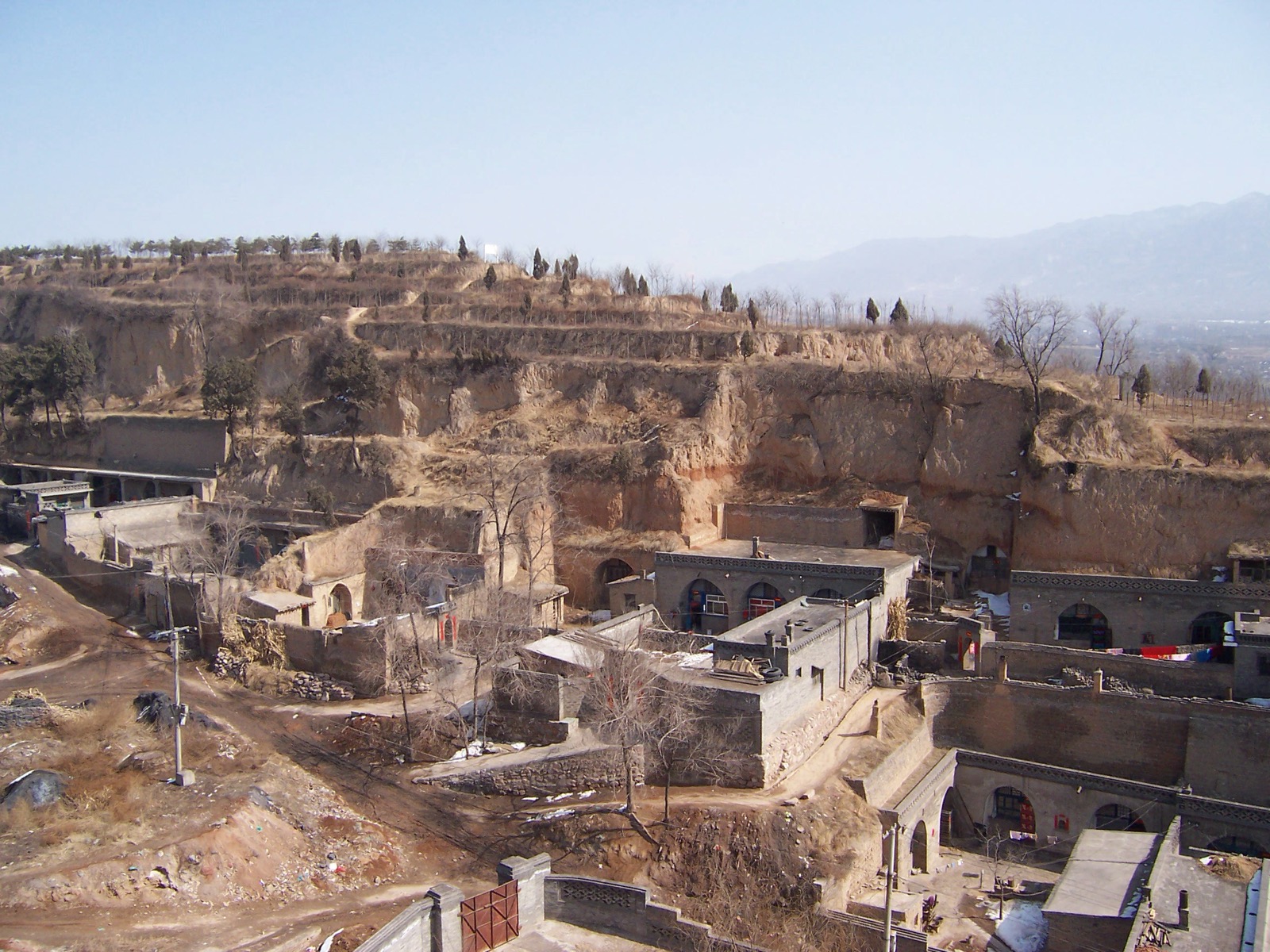

Yaodong — cave homes carved into soft loess hills, like those that collapsed in 1556.
2. The Yellow River Flood, China (1887)
Lives lost: 900,000 – 2,000,000
The phenomenon: flood
The Yellow River is often called "China's Sorrow" because of its deadly floods. In 1887, after weeks of torrential rain, its protective dikes gave way. A vast wave of muddy water immediately covered 50,000 square miles, wiping farming communities off the map. Those who didn't drown in the first hours faced the famine and epidemics that followed.
1. The Central China Floods (1931)
Lives lost: 1,000,000 – 4,000,000
The phenomenon: flood
At the top of this darkest of lists sits the ultimate catastrophe of 1931. After a prolonged drought, winter brought heavy snowfall and spring brought relentless monsoons. The Yangtze and Huai rivers overflowed at once, flooding an area larger than Portugal.
Roughly 140,000 people drowned almost instantly, but the true horror played out over the following months: millions were stranded without food, forced to drink contaminated water, while cholera and typhus scythed through the population.


Flooded streets during the 1931 Central China floods — the deadliest natural disaster on record.
The lesson of history
Looking back over these tragedies, one pattern is clear: the recurrence of certain regions comes down to the combination of great river systems with extreme population density.
Today, modern science, meteorology and strict seismic codes have achieved something remarkable — dramatically reducing the loss of human life, turning events that would once have meant the end of a civilisation into manageable crises. That is exactly why international support for regions struck today, such as Venezuela, matters more than ever.
Image credits
- The 2004 Indian Ocean tsunami rolling ashore at Ao Nang, Thailand — David Rydevik (email: david.rydevikgmail.com), Stockholm, Sweden. · Public domain · via Wikimedia Commons
- Collapsed buildings in Port-au-Prince after the 2010 Haiti earthquake — UN Photo/Logan Abassi UNDP Global · CC BY 2.0 · via Wikimedia Commons
- Yaodong — cave homes carved into soft loess hills, like those that collapsed in 1556 — Meier&Poehlmann · CC BY 3.0 · via Wikimedia Commons
- Flooded streets during the 1931 Central China floods — the deadliest natural disaster on record — Unknown authorUnknown author · CC BY-SA 3.0 de · via Wikimedia Commons