The Night of the Long Knives in Athens: How the 1965 Apostasia Paved the Way for the Tanks
There are moments in a nation's history when politics stops being a dry debate among bureaucrats and becomes a dark, gripping thriller full of betrayals, secret negotiations, palace intrigue, and popular uprisings in the streets.
For modern Greece, that moment was the summer of 1965.
The word "Apostasia" (or the notorious "Iouliana") doesn't just describe a government crisis. It was the moment the political system shot itself in the head, discredited itself in the eyes of its citizens, and threw the door wide open to the tanks and the Dictatorship.
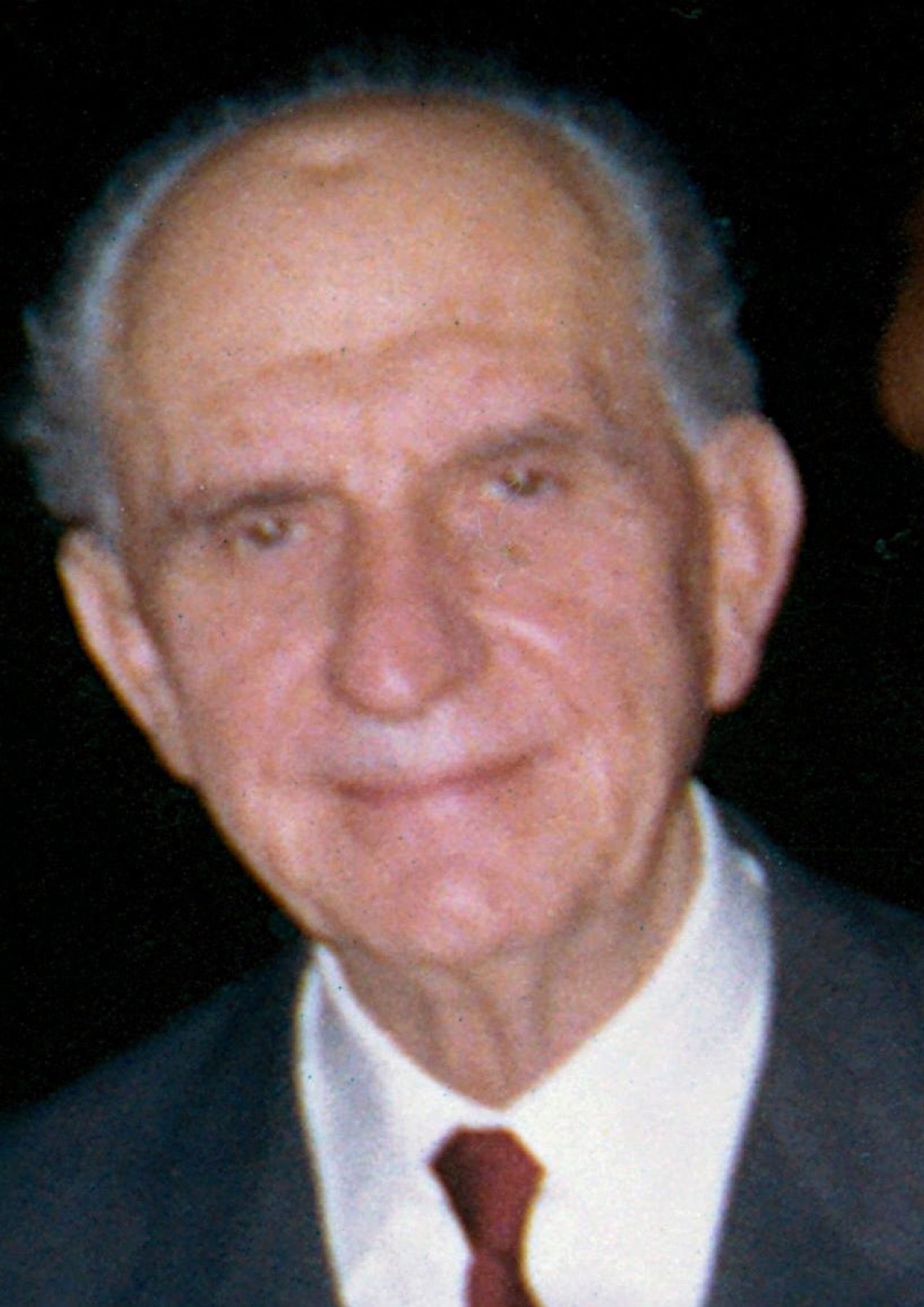

Georgios Papandreou, the "Old Man of Democracy."
The Explosive Trigger: An Old Politician, a Young King, and an Army Out of Control
To understand the drama, we need to see the stage. Greece in 1964 is still trying to exorcise the ghosts of the Civil War. In power is Georgios Papandreou, the "Old Man of Democracy," leader of the Centre Union. He has just swept the elections with a legendary 52.7% of the vote. The people are thirsty for democratization, freedom, and social breathing room.
But real power doesn't lie in Parliament. It lies in the Palace, ruled by the 25-year-old King Constantine II, and in the leadership of the Armed Forces, who consider themselves the "owners" of the state and guardians of anti-communism.
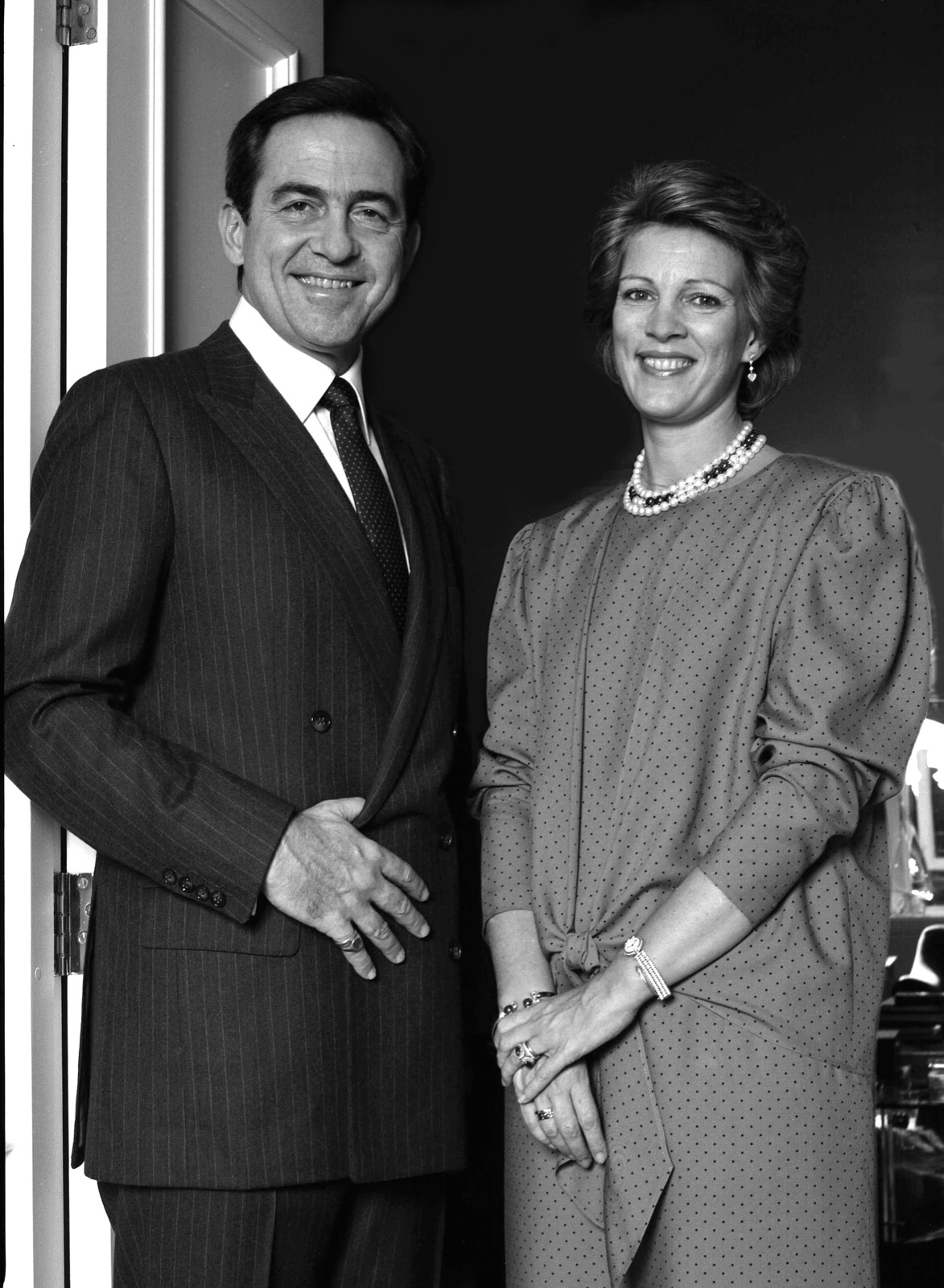

King Constantine II with Queen Anne-Marie.
The fuse is lit when Papandreou decides to do the obvious thing for an elected Prime Minister: take over the Ministry of National Defence himself, to rein in the far-right paramilitary networks inside the army.
The young King refuses. For the Palace, the Army is its own turf. The conflict is no longer political — it's a battle over who actually rules the country.
15 July 1965: The Royal Coup and the "Novas Plan"
After a series of furious letters exchanged between Papandreou and Constantine, the Prime Minister goes to the palace. He declares that if he can't choose his own government's ministers, he will resign.
Constantine doesn't waste a second. Before Papandreou even makes it back to his office to draft his resignation, the Palace already has his replacement ready: the Speaker of Parliament, Georgios Athanasiadis-Novas.
But how would Novas govern without a parliamentary majority? This is where the "buying of consciences" enters the picture.
Over the following weeks, Athens turns into an oriental bazaar. Centre Union MPs are bribed, promised ministerial chairs, appointments, and privileges. One after another, Papandreou's own party members "defect" (apostatoun) to form a government backed by the right-wing ERE.
Among the protagonists of this backstage maneuvering stands a figure who would mark Greek politics for decades: Konstantinos Mitsotakis, considered the chief architect and "mastermind" of the Centre Union's split.
The historical irony: the first government of the "defectors" under Novas was so ridiculed that it went down in history as the "Novas-Gargalatas Government," named after a satirical poem of the era. It fell in Parliament within days — but the Palace kept swearing in one puppet government after another.
"The people don't want you — take your mother and go!"
While ministries were being carved up behind closed doors, a genuine popular uprising was erupting in the streets of Athens. For 70 consecutive days, hundreds of thousands of citizens demonstrate. The capital reeks of tear gas and scorched asphalt.
The slogans shake the air:
- "Old Man, get up and see us!"
- "Mitsotakis, you scoundrel!"
- "Let the King take his mother (Queen Mother Frederica) and leave!"
On 21 July, police violence reaches its peak. 22-year-old student Sotiris Petroulas falls dead at the intersection of Stadiou Street and Panepistimiou Avenue. His funeral turns into one of the largest popular demonstrations in the country's history, and Mikis Theodorakis writes the legendary song for him: "Sotiris Petroulas, Lambrakis took you, Freedom took you..."
The Tragic Legacy: From the Apostasia to the Junta
The third consecutive defectors' government, under Stefanos Stefanopoulos, finally managed to win a vote of confidence in the autumn of 1965. But the damage was already done.
- The discrediting of democracy: The Greek people watched their own will (the 52.7%) get thrown in the trash for the sake of palace games. Trust in institutions collapsed.
- Blind hatred: The country's political life was poisoned by an extreme divide.
- Rolling out the red carpet for the Colonels: Seeing the political instability, and understanding that new elections would sweep Papandreou back to power, the group of rogue officers under Georgios Papadopoulos found the field completely open.
In the early hours of 21 April 1967, the tanks rolled into the streets. Democracy in Greece didn't collapse in a single night — it had already been fatally wounded by the Iouliana of '65.
The Lesson
The 1965 Apostasia remains the most instructive lesson of our modern political history. It's a brutal reminder of what happens when the arrogance of power, contempt for the popular verdict, and dark backroom deals override democratic institutions. It was the moment Greece lost its chance to become a modern European democracy — a price it paid dearly for in the years that followed.
Photo credits: cover portrait, unknown author, CC BY-SA 3.0; King Constantine II & Queen Anne-Marie, Allan Warren, CC BY-SA 3.0 — both via Wikimedia Commons